


There’s something special about a fully remote team finally being in the same room. The inside jokes that usually live in Slack threads start spilling into hallway conversations. The faces behind the avatars suddenly have a voice, a handshake, a laugh. That’s exactly what happened when nine members of the ExpressTech team flew into Mumbai from Gujarat, Karnataka, Delhi, Uttar Pradesh, Punjab and a few neighbourhoods within Mumbai itself to attend WordCamp Asia 2026.
What followed over three days — 9th to 11th April 2026 — was equal parts conference, hackathon, team offsite and a glimpse into where WordPress, AI and our industry are heading next.
Here’s the story of how it went.
Day 1 — The Meetup and the Hackathon That Felt Like a Superpower
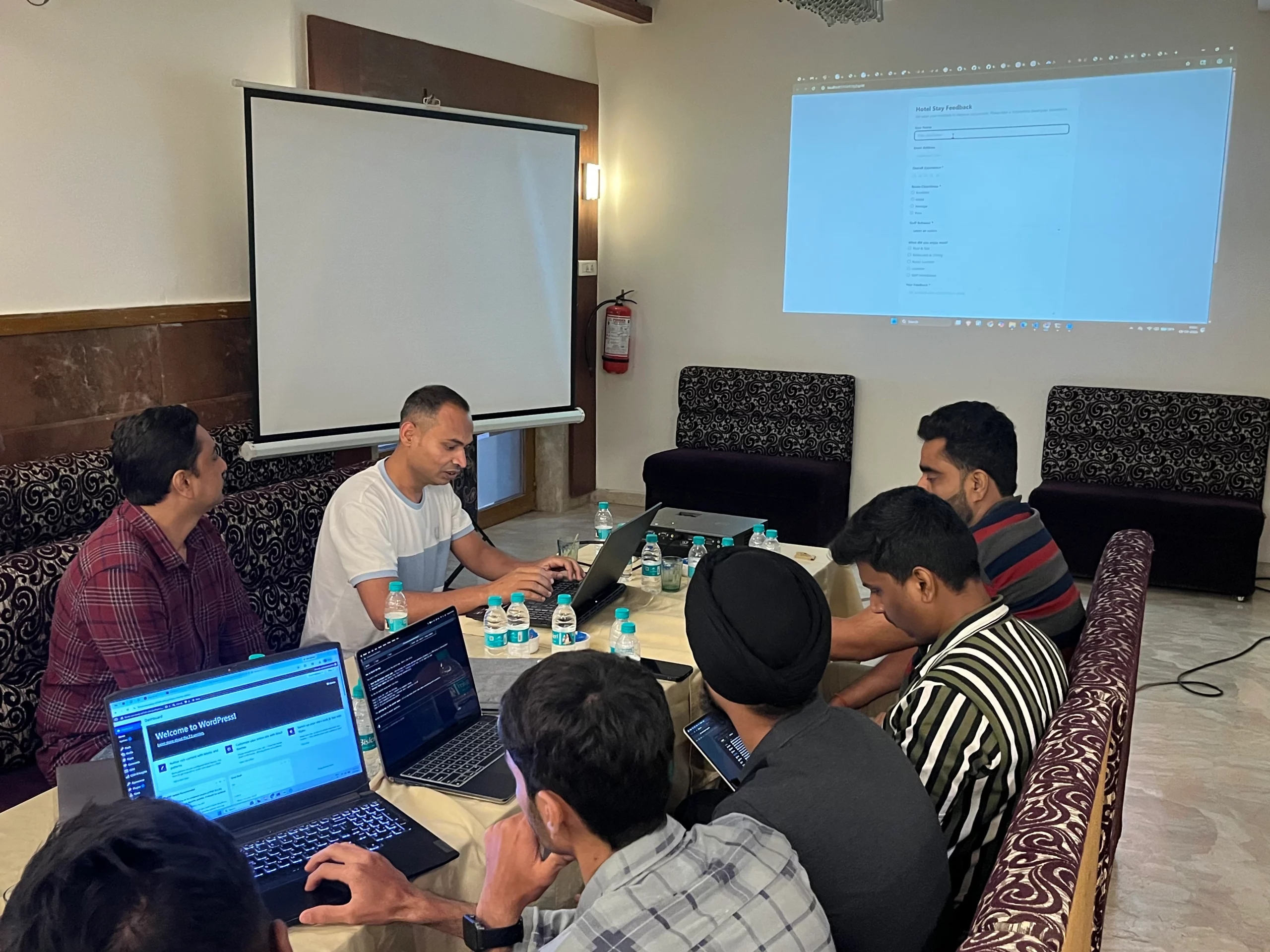
The day began the way most team offsites do: a long lunch, slow introductions, and a quiet anticipation as the last few team members landed and made their way through Mumbai’s traffic. By evening, the full team had finally gathered in one place.
The first session was led by our CEO, Vikas Singhal, who kicked things off with introductions and then quickly pivoted into the main event of the night — an internal hackathon using Claude Code.
The idea was simple: pick something from your day‑to‑day work — engineering, support, marketing, anything — and try to build it with Claude. What followed was a few hours of focused, occasionally chaotic, mostly delighted experimentation. At the end of the session, each member demoed what they’d built.
For most of the team, this wasn’t just a fun activity. It was the moment AI stopped being abstract. As one member put it the next morning, “it felt like a superpower we can actually plug into our everyday work.” That sentiment carried into the rest of the trip.
Day 2 — WordCamp Asia at the Jio World Convention Centre
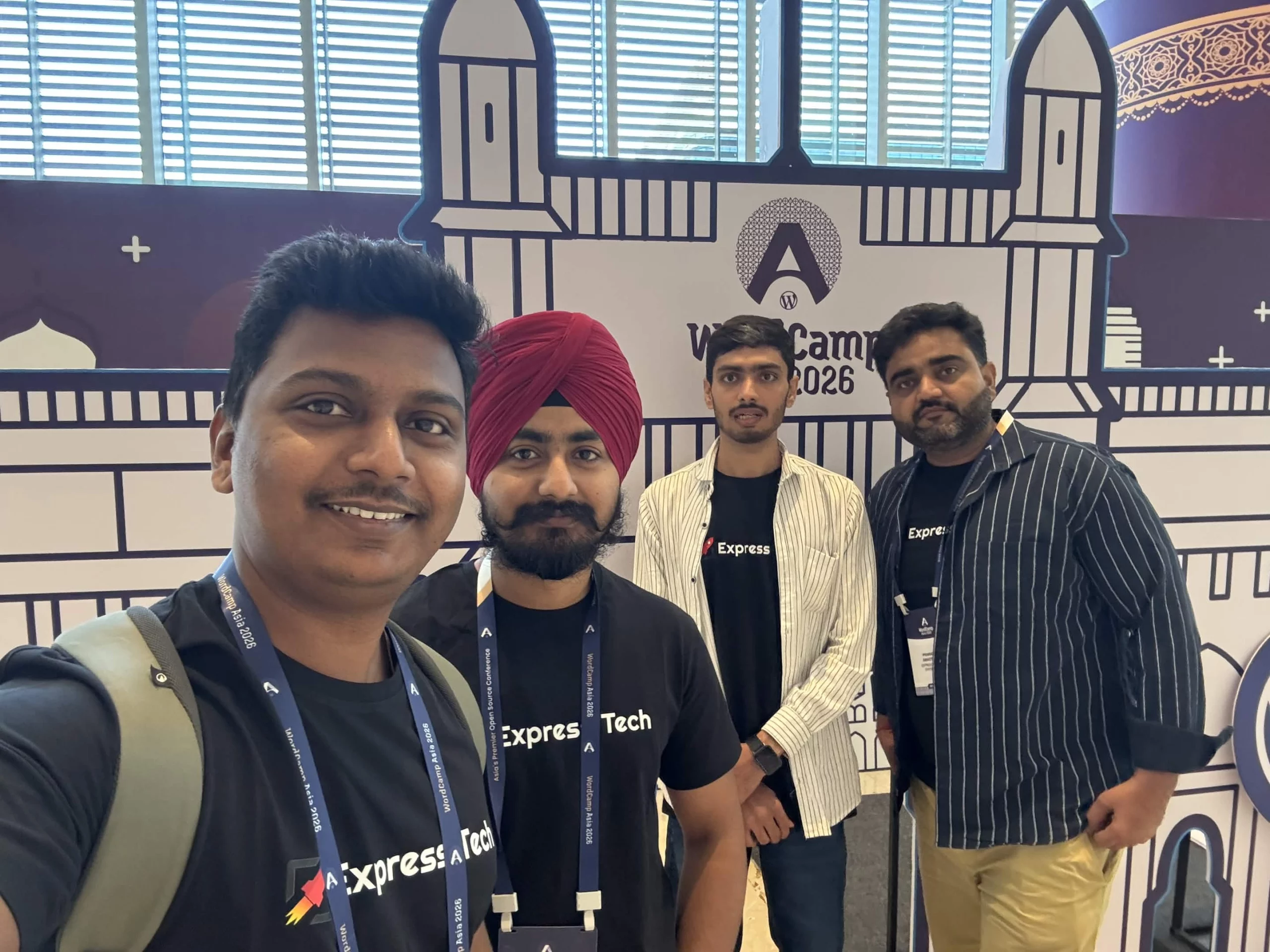
The next morning, the team headed to the Jio World Convention Centre — a venue that genuinely lived up to the scale of WordCamp Asia. Big halls, packed sessions, busy stalls, and an energy that’s hard to describe unless you’ve been at a WordCamp before.
We split up to attend talks, explore the sponsor floor, and have those small but valuable conversations you can only have in person. Here’s what stood out to the team, in their own words.
Varun — AI is no longer optional for WordPress
(Vice President)
The biggest, most consistent theme across sessions and conversations was clear: AI is no longer optional — it’s central to where WordPress is heading.
-
- WordPress isn’t being replaced by AI — it’s adapting to it. The Abilities API is likely to play a significant role in shaping WordPress and its product ecosystem in the near future.
-
- WordPress’s biggest strength remains its distribution and ecosystem depth. That gives it a strong chance to integrate with AI rather than be disrupted by it.
-
- Nearly every hosting company on the floor is now offering chat‑based management, letting users skip traditional admin panels altogether.
-
- This is probably the best time for agencies to rethink their WordPress services, productize their offerings, and build AI‑assisted workflows.
Viraj — The whole space is moving fast
(PMM)
Things are moving quickly in the WordPress space, and this year AI was the talk of the hour. Almost every company representative I interacted with had AI somewhere in the conversation — either already integrated into their product or actively being built in.
Among the companies and individual developers Viraj had the chance to speak with were MiniOrange, N99 Panel, Codewing Solutions, Brainstorm Force, Tyche Softwares, and ilmosys.
A recurring point from many sessions: despite the rise of emDash and other CMSs, WordPress isn’t going anywhere for the next 20–25 years — it is the community that is backing it. That said, many companies are simultaneously exploring the SaaS space rather than depending solely on WordPress.
Chirag — AI features were everywhere on the floor
(Software Developer)
Walking through the plugin stalls, almost every booth was highlighting an AI‑based feature, explaining how it worked and how it had been integrated into their product. I also got to explore an AI‑based chatbot that pulls data directly from a website and responds to user prompts — it occasionally got things wrong, but the direction was clear. The hackathon the night before made this whole experience land much more meaningfully.
Krunal Patel — Lost & Found in AI Wonderland
(Software Developer)
For Krunal, the message was unambiguous: AI is essential — especially for developers who want to stay efficient and competitive.
He attended a session titled “Lost & Found in AI Wonderland: An Honest Journey Through Hype, Headaches, and Real Wins,” and shared the practical takeaways:
-
- AI is powerful, but not fully reliable — always validate the output.
-
- Not every use case fits AI — use it where it actually adds value.
-
- Over‑automation can backfire — keep human authenticity in the loop.
-
- Experimentation is key — start small, test, and scale.
He also spent time at the Astra and MiniOrange stalls, where prompt‑based templates were on display — a powerful idea for building reusable, standardised workflows.
“Thanks to Vikas Singhal sir for making this happen.”
Pranav — From “building” to prompt‑driven creation
(Software Developer)
AI is rapidly transforming WordPress development from “building” to prompt‑driven creation.
After visiting multiple stalls and attending the AI‑focused seminars, Pranav came away with two clear ideas:
-
- Our role as developers is evolving — from writing everything manually to effectively guiding AI with the right prompts, logic and problem‑solving approach. The hackathon reinforced this — thinking alongside tools like Claude solves real‑world problems faster and more efficiently.
-
- Clarity in requirements is just as important as technical skill. One of the seminars highlighted how communication gaps between clients and agencies cause delays and misaligned outcomes. The fix is straightforward in principle but hard in practice: ask the right questions early, structure logic clearly, and keep expectations and implementation aligned.
Manandeep Singh — AI agents and the way teams actually adopt them
(Software Developer)
The biggest takeaway from WordCamp for me was clear — AI is no longer optional; it’s becoming a core part of WordPress’s future.
Manandeep was particularly drawn to how AI agents are being used to automate and manage routine tasks, cutting down manual effort and streamlining workflows. But the more interesting insight, he noted, wasn’t about the tools themselves — it was about how teams think about AI, integrate it into their workflows, and use it to enhance productivity and collaboration.
“An excellent experience overall. AI is set to redefine and optimise workflows in the coming years.”
Naeem Bargujar — The hackathon that delivered, even without WordCamp
(Lead Designer)
Naeem couldn’t make it to the WordCamp sessions, but the hackathon the night before more than made up for it.
I learned how to execute an idea within minutes — it was truly amazing. I gained valuable insights into prompt engineering and how to effectively communicate with AI. Randhir Jha guided me like a professional teacher, which made the learning process even more impactful. Thanks to Vikas Singhal and Varun Kumar for organising this learning session.
Day 3 — One‑on‑Ones and the City of Dreams
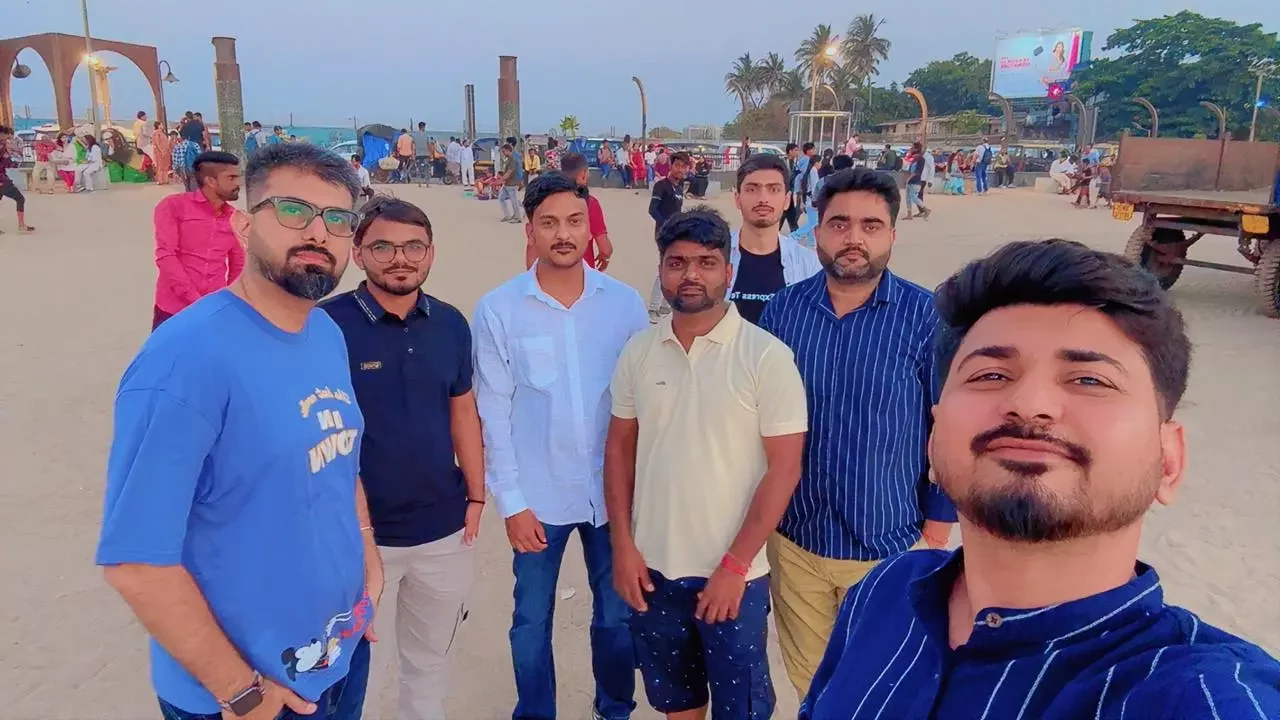
The final day was deliberately light. Some of the team had 1:1 discussions around technology, the company and where things are heading. Others took the opportunity to explore Mumbai — the city of dreams, with its trains, its sea, its food, and its sheer relentless energy.
By the time we started heading back to our home cities, everyone had a story to tell. Someone had found a new favourite chai stall. Someone else had finally met the colleague they’d been pairing with for two years. And every single one of us was returning with a sharper, more practical view of how AI is going to shape what we do next.
What We’re Taking Home
If we had to compress three days into a few honest sentences, here’s what it would look like:
– AI is no longer a side conversation in WordPress — it’s the main one. From hosting to plugins to page builders, every layer of the ecosystem is being rebuilt around it.
– WordPress’s moat is its community and ecosystem. That’s what gives it room to integrate with AI rather than be displaced by it.
– The way we work is changing. Less typing, more prompting. Less building from scratch, more directing. Less guessing, more validating.
– Remote teams need real‑world rooms. Three days together did more for our cohesion than a year of stand‑ups.
For us at ExpressTech, this wasn’t the end of a trip. It was the start of a more deliberate journey — one where we productize our services, build AI‑assisted workflows for our clients, and keep showing up where the community gathers.
See you at the next one.
Want to work with a team that takes both WordPress and AI seriously? [Get in touch with ExpressTech].
